
Top Ten Tips for Preparing Your Home for Rental
Renting out your home can be a rewarding experience, both financially and personally. However, ensuring that your property is ready to welcome tenants involves some prior preparation.
If you are currently living in the property, there will inevitably be quirks that you have grown accustomed to, and have stopped noticing. However, a prospective tenant coming for a viewing might find these little annoyances off-putting.
Remember, one of the the main differences between living in your own home and renting it out, is the need for safety certificates. Even if you are confident that your electric wiring and boiler are in good working condition, you need to have that confirmed by a professional before you can accept tenants.
From enhancing kerb appeal to ensuring every minor detail is addressed, these top ten tips will guide you through the process of getting your home rental-ready before you leave.
1. Keep the Garden Trimmed and Clutter-Free
First impressions matter immensely, and your garden is often the first aspect potential tenants will see. Ensure that your garden is well-maintained by trimming hedges, mowing the lawn, and removing any dead plants or weeds. A clutter-free garden not only looks appealing but also signals that the property is well cared for.

2. Attend to Small Maintenance Jobs
Minor repairs can make a significant difference in how tenants perceive the condition of your home. Fix leaky taps, doors that squeak, broken tiles, and other small issues that could be off-putting. These jobs, though seemingly insignificant, contribute to a tenant’s overall initial impression, as well as their subsequent comfort and satisfaction if it becomes their home.
3. Refresh Walls and Ceilings
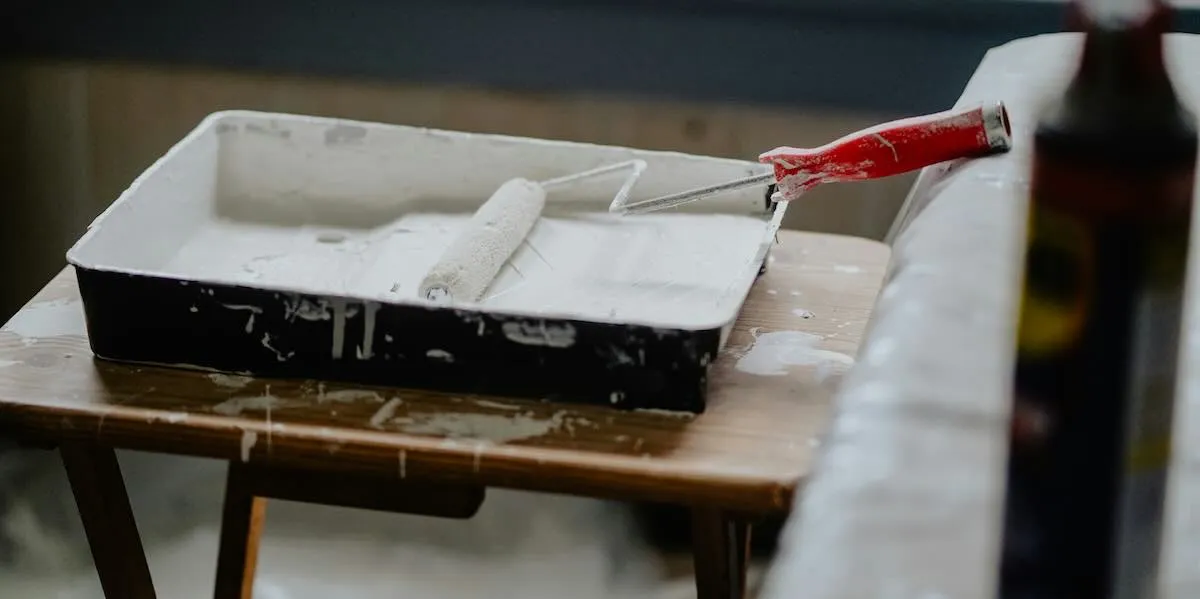
Walls and ceilings can accumulate grime and discoloration over time. Refreshing them with a coat of paint can brighten up the space and make it look, and smell, clean and inviting. Choose neutral colours that appeal to a broad audience and can easily match various furniture styles.
4. General De-cluttering
A clutter-free home looks more spacious and is easier for tenants to imagine living in. Remove any unnecessary items and personal belongings. This not only helps in making the space look neat but also provides tenants with more room for their possessions.
5. Keep Furniture Simple and Basic
Consider removing old or sentimental furniture pieces that may not align with a tenant’s taste. Instead, opt for simple and basic furniture that is functional and aesthetically pleasing. This approach ensures your property remains versatile and appealing to a wide range of tenants.
6. Ensure Bathrooms Are in Good Order
Bathrooms are critical in a tenant’s decision-making process. Make sure sealants are new and clean, mirrors are free of cracks and rust, and grouting is in good condition. These details will not only enhance the appearance of the bathroom but also ensure it is hygienic and functional.
7. Ensure Light Bulbs Work and Are Bright
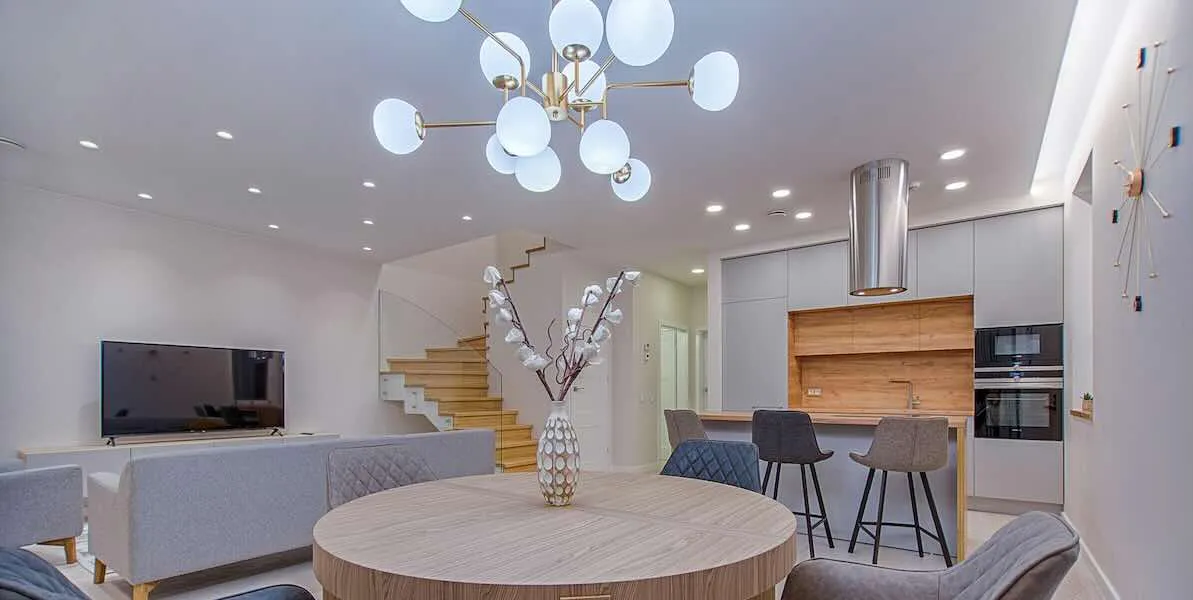
Good lighting can dramatically enhance the ambiance of a home. Ensure all light bulbs are working and choose bright, energy-efficient options. Proper lighting can make spaces feel larger and more welcoming. Modern LED type lights are also better for the Energy Performance Certificate rating.
8. Address Outstanding Communal Issues
If your property is part of a communal living arrangement or stair, ensure any outstanding issues are resolved. This could include requesting the repair of lighting in shared areas, or even be as simple as brushing and washing down the stairs.
9. Plan Ahead for Finances
Renting out a property comes with financial responsibilities, including ensuring it meets safety standards. Your property may need smoke alarms, a new fuseboard, or other updates to obtain necessary safety certificates such as the Gas Safety Certificate and the Electrical Installation Condition Report Electric. Budget for these potential expenses ahead of time to avoid last-minute surprises.
10. Use Valuation Tools and Check Rental Levels
Before setting your rental price, use valuation tools to assess the market rate for similar properties in your area. This helps in setting a competitive price that attracts tenants while ensuring you receive fair rental income. Additionally, consult a reputable letting agent who can provide valuable insights and assist with the rental process.
Conclusion
Most of the above is common sense, but approaching the letting of your home as a mini-business in its own right is the best approach. A good plan from the offset will ensure it hits the market in good order, attracts new tenants quickly, and should then provide you with a stress-free passive income asset which is accruing in value too.
Engaging with a good letting agent who can do all of the above with and for you is also vital to ensure you can enjoy the experience of providing your tenants with a good quality home.