
Lead Testing In Privately Rented Properties In Scotland

Being a landlord in Scotland comes with a significant responsibility to provide safe and habitable homes for tenants. Over the years, the Scottish Government has introduced various regulations to ensure that rental properties meet specific standards. From energy efficiency to health and safety, landlords must stay informed about these requirements to avoid penalties and protect their tenants.
One such crucial area is the Repairing Standard for privately rented properties in Scotland, which outlines the minimum conditions a rented property must meet. As as of March 2024, these include minimum standards for levels of lead in drinking water. The presence of lead in water supplies poses significant health risks, making it imperative for landlords to ensure that either they or their letting agent conducts thorough testing. The regulations stipulate that unless there is absolute certainty - meaning 100% confidence - that no lead pipes exist in the property, a water sample must be taken and tested in a laboratory.
Why Is Lead In Drinking Water Important?
Lead is a highly toxic metal that, even at low levels, can cause serious health problems, particularly in unborn babies and young children. It can affect brain development, learning abilities, and behaviour. Ensuring that the water supply in rental properties is free from lead is not just a legal requirement but a moral one. It protects tenants from the potential dangers associated with lead exposure.
The World Health Organisation has concluded that there is no safe level for lead in drinking water and so it is vital that it is not present in our drinking water. Therefore the Scottish Governments states that “ideally all potential sources in the water supply should be removed.”
How Does Lead In Water Affect Edinburgh Landlords?
Lead content is the primary water quality issue in Scotland, and the main source of lead is pipework in properties built prior to 1970 that have not had their pipes, tanks or fittings replaced. If you are a landlord in Edinburgh with properties built before 1970, there is a possibility that your properties contain lead pipes, tanks, or fittings. These components can leach lead into the drinking water supply, posing a health risk to your tenants.

Regulatory Requirements
Current regulations mandate that landlords must take proactive steps to confirm the absence of lead in their property's water supply. The regulations are clear: unless you are 100% sure that there are no lead pipes, you must take a water sample and have it tested in a laboratory. The absence of visible lead pipes does not meet the threshold of certainty. This requirement underscores the importance of thorough and diligent testing.
Lead-free Water Supply
There should be no lead pipes or lead-lined storage tanks or fittings present in the drinking water supply from the boundary stopcock to the kitchen tap.
Inspection
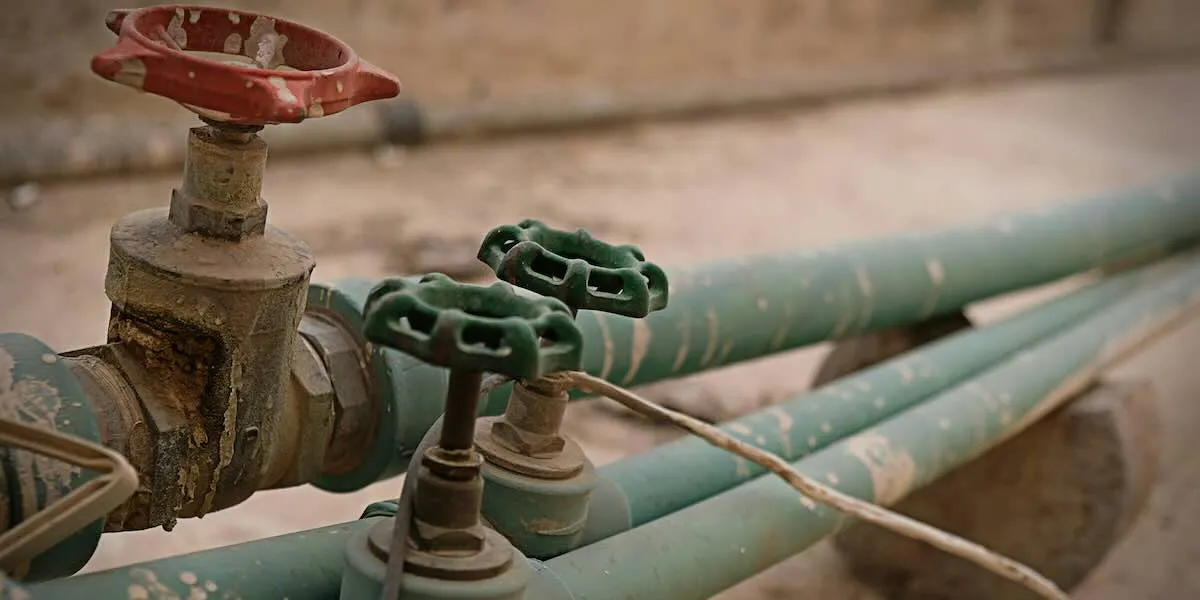
Private landlords must check visible pipework within the house to assess whether the supply runs through lead pipes. Lead pipes are dull grey in colour, can be scratched to reveal shiny silver-coloured metal and have slight bulges at the joints. A plumber will be able to help identify the type of pipes in the property.
Even if there are no visible lead pipes there may be other sources of lead in the water supply including pipes behind walls or under floors, lead solder, lead-lined water tanks, and underground lead supply pipes from the boundary stopcock.
If, following visual inspection or having obtained advice from an approved plumber, a landlord is still uncertain whether there are lead pipes, or is aware of a risk as a result of these checks, tenants must be informed and provided with information on minimising risk.
Testing
A water sample must then be taken for laboratory analysis. The water should be tested from the cold water tap where water is most frequently used for human consumption and in most cases, this will be the kitchen where water will be taken for drinking and cooking.
Tenant Notification
If the test shows that the lead content is at or above 10 micrograms per litre, this indicates that there is some lead present in the plumbing and the tenants must be informed immediately.
Advice from the Drinking Water Quality Regulator for Scotland is:
Do not drink water that has been standing in the pipes for long periods, for example, overnight, or if no one has been in for several hours. In these circumstances, draw off a washing-up bowlful of water from the kitchen tap to clear the water which has been standing in the pipes. This need not be wasted but can be used to water plants or for something other than drinking or cooking.
Action Required
Any lead pipes, fittings and tanks have to be replaced unless they affect communal areas where the landlord can’t get consent from other affected owners
Lead in Service Pipes
According to Scottish Water: Lead service pipes were phased out in the 1960s and became illegal in 1969. Therefore, if your property was built after 1970, there is little chance you will have a lead communications pipe.
If you find lead in the water and it’s not from any of your internal pipes, Scottish Water can investigate the communication pipe from the mains to the external boundary of your property and has to replace it free of charge if there are any sections made of lead.
Sampling and Testing Process
At our properties, we adhere to this regulation by taking a 1-liter water sample from each property and sending it to a government-approved laboratory in Leith. This process ensures that we receive accurate and reliable results. Upon testing, if the lead content is found to be less than 5.0 μgPb/L, no action is required. However, if the lead content falls between 5.0 and 10.0 μgPb/L, further examination of the property is necessary. If the lead content exceeds 10.0 μgPb/L, it is likely that lead pipes are present and must be removed.
Ensuring Compliance and Tenant Safety
Ensuring that all properties are tested for lead content is not just about regulatory compliance; it is about safeguarding the health and well-being of tenants. In the case of most of our managed properties, many of which are over 100 years’ old, we have received reports indicating that the lead content is less than 1.11 μgPb/L, which is well below the threshold that would necessitate further action. This level of testing provides peace of mind and ensures that we are meeting our legal obligations.
Steps to Compliance - Simple Guide
1. Visual Inspection: Begin with a visual inspection of the property’s plumbing. However, remember that the absence of visible lead pipes does not guarantee the absence of lead contamination.
2. Water Sampling: Take a 1-litre sample of water from the property. Ensure that the sample is taken from a tap that is regularly used for drinking water.
3. Laboratory Testing: Send the sample to a government-approved laboratory for testing. In Edinburgh, the lab in Leith is a trusted facility for such analyses.
4. Review Results: Upon receiving the test results, review them carefully. If the lead content is less than 5.0 μgPb/L, no further action is needed. If it is between 5.0 and 10.0 μgPb/L, conduct a more detailed examination of the property’s plumbing. If the lead content exceeds 10.0 μgPb/L, take immediate steps to replace any lead pipes.
The Legal and Ethical Imperative
Landlords have both a legal and ethical duty to ensure the safety of their tenants. Failing to comply with lead testing regulations can result in legal consequences and, more importantly, endanger the health of those living in the property. By proactively conducting comprehensive lead testing, landlords demonstrate their commitment to providing safe and healthy living environments.
Additional Benefits of Compliance
Beyond legal compliance and tenant safety, there are additional benefits to regular lead testing:
Increased Property Value: Properties with certified safe water supplies are more attractive to potential tenants and buyers.
Enhanced Reputation: Landlords who prioritise tenant safety build a strong reputation, leading to higher tenant retention and satisfaction.
Peace of Mind: Knowing that you have taken all necessary steps to ensure water safety provides peace of mind for both landlords and tenants.
What If I Am Unsure About My Property's Plumbing?
If you are a Private Landlord and unsure if the pipework in your property is made of lead or not, get in touch with the Cullen Property team today, and we would be happy to assist where required.
Taking Action
The importance of lead testing in rental properties cannot be overstated. For Edinburgh landlords, ensuring that either they or their letting agent conducts thorough testing is a critical responsibility. By adhering to the regulations, taking necessary samples, and having them tested in a government-approved laboratory, landlords can ensure compliance and protect the health of their tenants. The steps outlined in this article provide a clear path to achieving this goal. Prioritising water safety is not just about meeting legal requirements; it is about doing what is right for the community and those who call your property home.
If you have any further questions or require assistance, please do not hesitate to contact the Cullen Property team.