
Knowing Me, Knowing You: The Importance of Landlord-Agent-Tenant Relationships
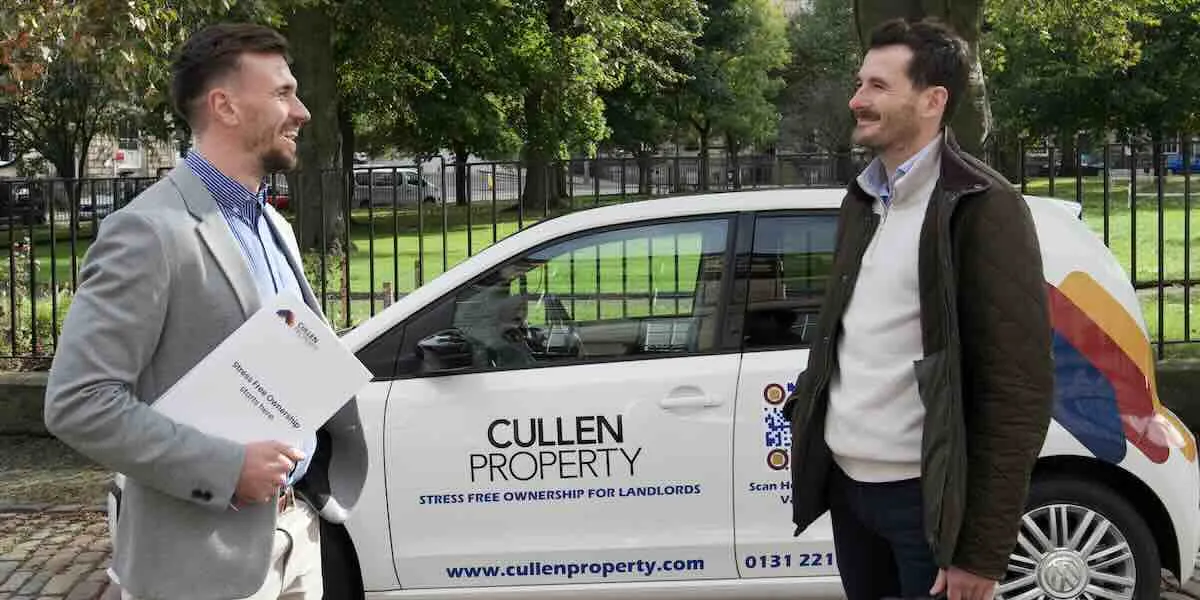
In the realm of property management, the song “Knowing Me, Knowing You” by ABBA may come to mind, but in this context, we shift focus to a different kind of relationship - the essential bond between landlords, property managers, and tenants. This dynamic is critical to ensuring properties are well-maintained, safe, and attract high-quality tenants. Landlords, despite delegating responsibilities to letting agencies, retain ultimate legal responsibility for their properties. Therefore, understanding and nurturing these relationships is key to successful property management.
The Landlord's Legal Responsibilities
As a landlord, one cannot simply abdicate responsibility by hiring a letting agency. Legally, landlords are accountable for every aspect of their property. This includes ensuring that all safety certifications are up to date, the property is adequately insured, and maintenance issues are promptly addressed. Despite delegating day-to-day management tasks, the ultimate responsibility lies with the landlord.
Assigning Duties Within Letting Agencies
One crucial aspect of effective property management is the clear delegation of duties within letting agencies. Landlords should have clarity on which individual within the agency is responsible for specific tasks. This delineation ensures accountability and allows landlords to know exactly who to contact regarding particular issues. For instance, landlords should be able to identify who is responsible for ensuring all safety certificates are current and who conducts the regular inspections.
For example, each landlord with us at Cullen Property knows the name, email address and mobile number of ‘their’ Property Manager. They know what they look and sound like and have almost certainly been in direct contact with each other on some aspect or other within the last 4-8 weeks at any given time.
The Role of the Property Manager
A property manager acts as the intermediary between the landlord and the tenant. Their role is multifaceted and includes maintaining the property, handling tenant enquiries and complaints, and ensuring the property complies with all legal requirements. A strong relationship between the property manager and the landlord is fundamental to the property's successful letting.
Knowing Your Property Manager
Just as tenants should be familiar with their property manager, landlords should also strive to know their property manager well. This relationship fosters trust and ensures that both parties are on the same page regarding the property's management. Landlords should feel confident in their property manager's ability to efficiently handle issues and maintain the property to the highest standards.
One way landlords can build this relationship is by asking pertinent questions. For example, landlords should enquire about the date of the last property inspection and who conducted it. They should also ensure that all safety certificates are up to date and, if not, understand why there may be delays. Another critical question is, "When did the property manager last visit the property?" These enquiries demonstrate the landlord's involvement and commitment to maintaining a high standard of property management.
For example, at Cullen Property, our Property Managers carry out the inspections as part of the management fee and service rather than sub-contract it (with an additional charge) to an inventory company where the clerk may well never have visited the property before, and never do so again. If anything is not right the Property Manager will know instantly as they already know the property well, whereas the inventory clerk couldn’t possibly know at all.
We recently met a landlord looking to change agents and bring his portfolio of Edinburgh HMO flats to us because his 3-year old kitchen needs completely replacing again. Unfortunately, no-one in his current agency has any knowledge or evidence of how it had been so badly treated that it required him to spend on another new one so soon.
Proactive Landlords
For portfolio landlords or those not based in Edinburgh, regularly asking these questions is even more critical. These landlords may not have the opportunity to visit their properties very often, making it essential to rely on their property managers for accurate and timely updates. If all answers come back as expected, it provides reassurance and confidence in the management process. However, if discrepancies arise, it may indicate the need for deeper investigation.
Treating Tenants as Customers
In the property management industry, tenants should be viewed as customers. They are paying a significant amount of rent and, in return, deserve a quality living environment that justifies the price. Like any other transaction, tenants have the right to expect what they are paying for. A well-maintained and attractive property not only satisfies tenants but also encourages longer tenancies and reduces void periods.
Creating a positive tenant experience involves regular maintenance, prompt responses to issues, and ensuring the property meets safety standards. Property managers should strive to provide excellent customer service, as satisfied tenants are more likely to renew their leases and recommend the property to others.
For example, as we go into Spring, we ask our student tenants what their plans are for the summer. Are they staying, leaving or changing tenants within the group? Technically they don’t need to tell us, but almost all of them will engage as they have a positive, friendly and trusting relationship with the Property Manager who first showed them the flat at the viewing several years earlier. Such relationships mean better communications, earlier marketing (if they’re leaving), minimal void, and good planning ahead.
Benefits of Strong Landlord-Agent-Tenant Relationships
When landlords, property managers, and tenants have strong, positive relationships, the benefits are numerous. First and foremost, it leads to longer tenancies. Tenants who feel valued and well-cared-for are more likely to stay, reducing the risk of costly void periods. Additionally, a well-maintained property attracts high-quality tenants, ensuring a steady rental income for the landlord.
A stress-free ownership experience is another significant benefit. When landlords trust their property managers and feel confident in their abilities, it reduces the anxiety and stress associated with property management. This peace of mind allows landlords to focus on other aspects of their lives or business.
The Role of the Letting Agent
Letting agents play a crucial role in this triad of relationships. Their responsibility is to bridge the gap between landlords and tenants, ensuring that both parties' needs are met. Letting agents must be proactive in addressing issues, maintaining open lines of communication, and upholding high standards of property management.
A relieved and happy letting agent is often the result of a well-functioning system where responsibilities are clearly defined, and relationships are strong. When letting agents are supported by engaged and informed landlords, they can perform their duties more effectively, leading to better outcomes for everyone involved.
Conclusion
As the saying goes, to ‘assume’ makes an ‘ass’ out of ‘u(you)’ and ‘me’. So better to ask and know rather than guess and hope in terms of whether your property is being genuinely well-managed.
In essence, clear communication and defined roles between letting agents and landlords are crucial for effective property management. By fostering strong relationships and avoiding assumptions, all parties can ensure that properties are well-managed, leading to positive outcomes for both tenants and property owners. If that can’t be achieved, then as the ABBA song went, it might be that ‘breaking up is the best you can do’!